
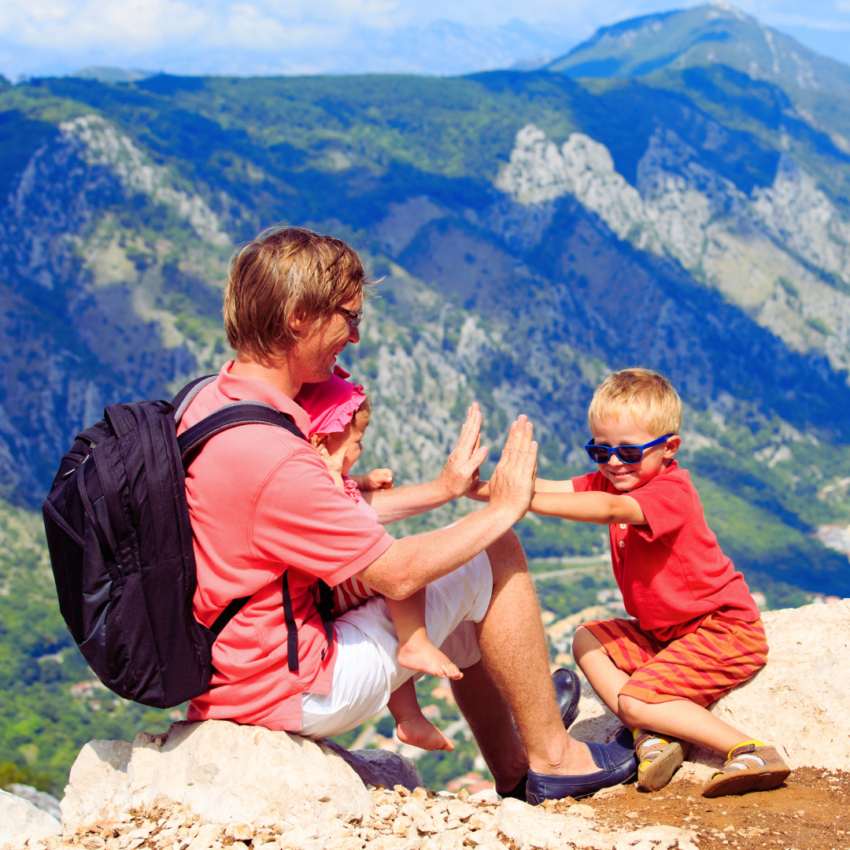
Traveling with kids can be both a rewarding and challenging experience. Planning ahead and engaging children in the process makes the journey more enjoyable for everyone. Parents often find that incorporating fun activities and ensuring flexibility in the itinerary helps keep children’s spirits high during travel.
A successful trip starts with understanding the unique needs of young travelers. This includes considering their interests, maintaining a comfortable pace, and packing essential items that cater to their needs. By doing so, families can navigate potential stressors and create lasting memories.
With the right strategies in place, traveling with kids can transform from a daunting task into an exciting adventure. Parents can discover new ways to bond and explore together while teaching children about different cultures and environments.
Preparing for Your Journey
Planning for a trip with children requires careful consideration of various factors. Choosing the right destination, packing essential items, planning a child-friendly itinerary, and ensuring safety are crucial elements to address.
Choosing Kid-Friendly Destinations
When selecting a destination, it’s important to consider the interests and needs of children. Look for places with family-oriented attractions, such as theme parks, zoos, and interactive museums.
- Accessibility is key; choose locations that offer easy transportation options. Check for accommodations that provide family amenities like kid’s clubs or babysitting services.
- Local activities should cater to children’s age groups. A destination with outdoor adventures can provide opportunities for exploration and physical activity, enhancing the travel experience for families.
What to Pack for Children
Packing for children involves more than just their clothes. Essential items include:
- Comfortable clothing and footwear: Children should wear suitable attire for the climate and activities planned.
- Travel snacks: Healthy, portable snacks can keep kids content during long journeys.
- Entertainment: Include books, toys, or games to help them pass the time.
Additionally, don’t forget to pack any necessary medications and a basic first aid kit. Keeping important documents, such as identification and health insurance details, easily accessible is also recommended.
Planning Your Itinerary with Kids in Mind
Creating a family-friendly itinerary requires balancing activities with downtime. Avoid cramming too much into one day, as children may become tired and frazzled.
Incorporate a mix of engaging activities and relaxation. For example, plan visits to parks or beaches where children can unwind.
Consider flexible times for meals and rest, allowing for spontaneous exploration. Using local resources, such as visitor centers, can provide helpful hints on what family-friendly activities are available.
Safety Precautions and Health Care
Prioritizing safety during travel is essential. Educate children on stranger danger and establish meeting points in case of separation.
Keep emergency contacts and necessary medical information handy, including details on local healthcare facilities. Research any recommended vaccinations or health warnings before the trip.
Packing a well-stocked first-aid kit is another important step, including basics like band-aids, antiseptic wipes, fever reducers, and motion sickness remedies. Even better, consider visiting a doctor specializing in honolulu pediatrics (or elsewhere) before the journey. They can offer tailored advice, ensure prescriptions are up to date, and provide any travel-specific medications or guidance needed to keep the children safe and healthy throughout the trip.
Kids often touch everything they see when they are in new places like airports or play areas. This habit makes it easy for them to pick up germs that lead to common infections. One frequent issue that can be faced due to this habit is redness or irritation in a child’s eyes after a long trip. When the different pink eye causes are known, it is easier to decide if one needs to see a doctor or if it is just a simple allergy. Frequent hand washing helps stop these germs before they spread to the rest of the family. It is also a good idea to keep some eye drops in the bag just in case.
Additionally, encourage children to stay hydrated and to wear sunscreen, especially during outdoor activities. For added safety, make sure children carry some form of identification, whether it’s a wristband, a card in their pocket, or a digital ID on a device.
Transportation Tips
Traveling with kids often requires careful planning when it comes to transportation. Managing logistics effectively can make the journey smoother for everyone involved.
Flying with Children
When flying with children, early arrival at the airport is essential. This allows time for check-in, security, and restroom breaks. Parents should consider booking direct flights whenever possible to minimize travel time and reduce the chance of missed connections.
Packing essentials for the flight can keep kids entertained. Bring items like books, toys, or electronic devices with headphones. Snacks are also crucial; opt for non-messy options to avoid spills.
Consider using a stroller that can be checked at the gate. This provides ease in navigating the airport and can be of help to tired children.
Road Trips with Kids
Planning is key for successful road trips. Families should outline the route and identify rest stops every couple of hours. This helps prevent restlessness and provides opportunities for meals and stretching.
Creating a travel playlist with the children’s favorite songs can enhance the experience. Interactive games, such as “I Spy,” keep kids engaged and distracted during long stretches.
Packing a cooler with snacks can save time and money. Choose a mix of healthy options and treats to keep everyone satisfied.
Using Public Transportation
Using public transportation can be challenging but manageable with preparation. Families should review routes in advance, noting stops and schedules to avoid confusion.
Timing is crucial. Traveling during non-peak hours means fewer crowds and more space. Parents must remain vigilant and hold children’s hands while navigating busy stations.
A lightweight stroller or baby carrier can simplify getting on and off buses or trains. Always have a plan for secure storage of belongings while in transit.
Teaching children safety rules for public transport can also contribute to a safer experience. Respecting personal space and staying close to parents are important reminders.
Accommodation Choices
When traveling with kids, selecting the right accommodation is essential for a smooth experience. Family-friendly options can enhance comfort and convenience, accommodating the needs of all family members. This section covers the benefits of booking family-friendly hotels and considering vacation rentals.
Booking Family-Friendly Hotels
Family-friendly hotels provide tailored amenities that cater to parents and children. Many offer spacious rooms or suites, ensuring adequate space for everyone. Look for hotels that include cribs, rollaway beds, and kid-friendly room setups.
Key amenities to consider:
- Kid’s clubs or activities: Engages children safely.
- Dining options: Family menus and early dining hours can help manage mealtimes.
- Swimming pools: A safe and fun way for kids to expend energy.
Additionally, hotels often provide babysitting services, allowing parents some personal time. Research online reviews specifically mentioning family experiences to gain insights on suitable options.
Considering Vacation Rentals
Vacation rentals often provide more flexibility and space than traditional hotels. Properties typically include kitchens, which allow families to prepare meals and save on dining costs. This can be particularly beneficial for picky eaters or those with dietary restrictions.
Benefits of vacation rentals include:
- Room for everyone: Multiple bedrooms and living spaces can foster a home-like environment.
- Local neighborhood experience: Families can explore areas like locals, often discovering unique attractions.
- Cost-effective: Rentals can offer better value, especially for extended stays or larger families.
Check platforms for family-friendly listings that specify child safety features, such as secure stairways and enclosed yards. Reading past guests’ reviews can also highlight how well a property meets family needs.
Dining Out with Children
Dining out with children can be enjoyable if planned effectively. Selecting the right restaurants and preparing meals can make the experience smooth.
Finding Kid-Friendly Restaurants
Understanding what makes a restaurant suitable for children is essential. Look for places that offer kid-sized portions and diverse menus that include familiar favorites. Chains often provide a consistent experience, but local diners can also surprise with quality options.
Consider restaurants with play areas or families that attract children. Websites and apps with reviews often highlight family-friendly spots, so parents can read other diners’ experiences. Checking for activities like coloring sheets or games can be helpful as well.
Additionally, policies on high chairs and booster seats should be verified. Call ahead to ensure accommodation for strollers and larger groups.
Healthy Snacks and Meals on the Go
Packing healthy snacks for dining outings is vital. Options like fruit slices, yogurt, and whole-grain crackers are nutritious and easy to carry. Introducing reusable snack containers can reduce waste and keep snacks fresh.
When choosing meals at restaurants, prioritize balanced options that include vegetables and lean proteins. Many places offer healthy sides instead of fries, providing better choices for children.
It can also be beneficial to share meals. Portion sizes at restaurants are often large, so sharing allows for trying various dishes without overeating. This approach encourages children to develop an appreciation for different flavors.
Entertainment and Activities
Keeping children engaged during travel is essential for a smooth experience. Families can explore a variety of educational experiences, outdoor adventures, and indoor activities to ensure everyone has fun and stays entertained.
Educational Experiences for Children
Many destinations offer unique educational opportunities. Museums designed for kids provide interactive exhibits that encourage learning through play. For example, science centers often have hands-on experiments, while historical sites may feature engaging reenactments.
Field trips to farms or nature reserves can also introduce children to local ecosystems or agriculture. Many such locations have programs tailored for kids, including workshops or guided tours that make learning enjoyable and memorable.
In addition to travel-based learning, children who attend Day Care in Pasadena, MD (or a similar facility closer to home) may already be engaged in structured educational activities, depending on their age. Day cars often introduce kids to early literacy, social interaction, and basic science or art concepts, setting a strong foundation for future learning. These environments may also expose children to various experiences – from story time to sensory play – that align well with family travel experiences and broaden their understanding of the world.
Therefore, parents should consider local libraries or community centers, often hosting readings or craft sessions. These activities not only entertain but also connect families to the local culture.
Outdoor Adventures for the Family
Outdoor activities promote physical fitness and family bonding. Hiking trails with various difficulty levels suit all ages. Nature parks often have designated paths, picnic areas, and family-friendly attractions.
Families can also participate in guided tours such as kayaking or biking. Many locations provide equipment rentals and professional guides to enhance safety and enjoyment.
Beaches and lakes offer numerous opportunities for fun. Sandcastle building, swimming, and beach games can create lasting memories. Nature scavenger hunts encourage exploration and curiosity about the environment.
Indoor Activities for Various Ages
When weather conditions aren’t favorable, indoor activities become crucial. Options like aquariums, indoor play parks, and trampoline facilities cater to children of various ages, ensuring active play.
Art studios or pottery places offer opportunities for creativity. Families can join workshops, allowing children to create their artwork while learning new skills.
For quieter days, board games or movie nights can keep everyone entertained. Many family-friendly venues have designated areas for games or screenings, providing a relaxed atmosphere for enjoyment.
Practical Advice
Traveling with children requires careful planning and consideration. Effective strategies can simplify the experience and ensure a smoother journey.
Managing Jet Lag and Schedules
Adjusting to new time zones can be challenging for kids. To ease jet lag, parents should try these strategies:
- Pre-Travel Adjustment: Gradually shift sleep schedules a few days before departure.
- Stay Hydrated: Encourage children to drink water during flights to combat dehydration.
- Sunlight Exposure: Upon arrival, spend time outside to help reset internal clocks.
Arriving at the destination during the day can also facilitate adjustment. Planning activities that match the local schedule ensures that children remain engaged and minimize crankiness.
Dealing with Emergencies
Emergencies can arise at any time during travel. Preparation can help manage unexpected situations effectively.
- Emergency Kit: Pack a small kit with band-aids, antiseptic wipes, and any necessary medications.
- Contact Information: Have a list of local emergency numbers and contacts for their home country.
- Child Identification: Use wristbands or tags with contact information for each child.
Teaching children what to do in case they get lost is essential. Role-playing scenarios in advance can give them confidence in managing such situations. Keeping calm during emergencies helps ensure that kids remain reassured and safe.
Memories and Reflections
Creating lasting memories during family travel can enrich relationships and provide enjoyable moments to look back on. Families can document experiences and reflect on the educational aspects of their journeys.
Documenting Your Trip with Kids
Keeping a travel journal can be a fun way for kids to document their adventures. Each family member can share thoughts, sketches, and photos. This captures not only major events but also small moments that bring joy.
Consider using a scrapbook to combine written reflections with physical keepsakes like ticket stubs, maps, and postcards. Digital options, such as blogs or photo books, allow for sharing experiences with family and friends.
Encouraging kids to contribute to the documentation enhances their ownership of the trip and engages them in storytelling. Creating a tradition around this can make future travels more exciting.
Reflecting on Travel as a Learning Experience
Travel provides valuable lessons that go beyond educational sites. It encourages adaptability, communication, and empathy. Kids learn to navigate new environments and interact with diverse cultures.
Discussions about local customs, history, and geography deepen their understanding and appreciation of the world. Parents can encourage questions and reflections during and after trips, reinforcing learning.
Families may also experience challenges while traveling, like missed connections or language barriers. Overcoming these obstacles can foster resilience and problem-solving skills. Reflecting on these experiences together strengthens family bonds.