
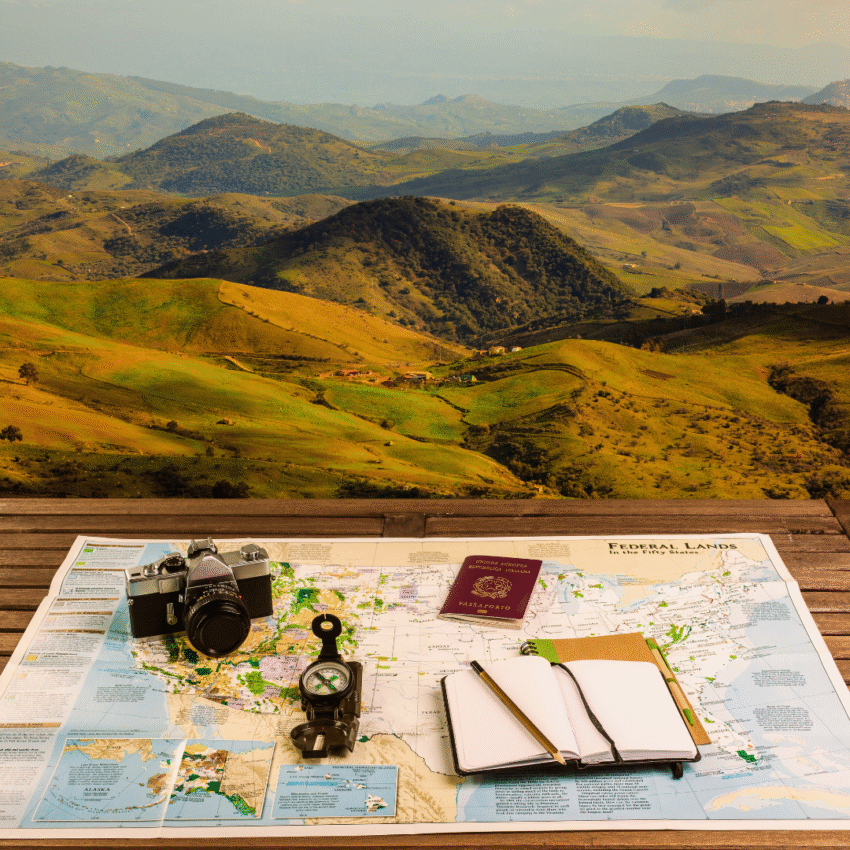
Choosing a travel destination can often feel overwhelming amid countless options. To navigate this decision effectively, it helps to identify the purpose behind the journey. By aligning travel goals with personal interests or experiences, travelers can select destinations that truly resonate with their aspirations.
Whether seeking adventure, relaxation, cultural enrichment, or personal growth, understanding one’s motivations can simplify the selection process. Travelers should ask themselves what they wish to gain from this experience. This can lead to more fulfilling trips that offer deeper connections to places and cultures.
Setting clear intentions not only enhances the travel experience but also ensures that each journey contributes positively to one’s life story. Engaging with travel purposefully fosters a sense of fulfillment, making each destination feel like a step in a larger adventure.
Defining Your Travel Purpose
Identifying a travel purpose is vital for a fulfilling experience. It shapes decisions about destination selection, activities, and travel style. Here are the key elements to consider.
Clarifying Travel Goals
Travel goals should be specific to an individual’s desires. They may include seeking adventure, cultural experiences, or relaxation.
To clarify these goals, she can ask questions such as:
- What activities excite her?
- Is she looking to learn about a new culture?
- Does she prefer outdoor adventures or leisurely experiences?
Writing these goals down helps create focus and direction. By understanding what drives her travel dreams, she can align them with potential locations.
Aligning Your Destination With Personal Values
Personal values play a significant role in travel decisions. They guide travelers toward destinations that resonate on a deeper level.
For instance, someone passionate about environmental sustainability might choose eco-friendly destinations. Values can dictate preferences in accommodations, activities, and even the type of food enjoyed.
Travelers can benefit from creating a list of core values, such as:
- Cultural appreciation
- Adventure seeking
- Relaxation and wellness
This list will help match destinations with her priorities, ensuring a more meaningful vacation.
Balancing Adventure and Relaxation
Striking a balance between adventure and relaxation is essential for a satisfying journey. Some prefer an action-packed itinerary, while others look for a relaxing beach getaway.
She can consider combining both elements. A potential approach includes:
- Active Mornings: Engage in hiking or local tours.
- Leisurely Afternoons: Spend time at the beach or in a spa.
Deciding on the right balance will depend on personal preferences and overall travel style. Ultimately, the goal is to create an enriching experience that satisfies both the thirst for adventure and the need for tranquility.
Key Factors to Consider When Choosing a Destination
Selecting a travel destination involves several critical considerations that impact the experience and enjoyment of the trip. Each factor plays a role in ensuring that the choice aligns with personal needs and circumstances.
Evaluating Budget and Expenses
Understanding the budget is vital when choosing a destination. Travelers must consider costs such as accommodation, meals, transportation, and activities.
Hotels vs. Hostels vs. Camping
- Hotels offer comfort but can be expensive.
- Hostels are budget-friendly and often provide a social atmosphere.
- Camping may reduce lodging costs, but it requires more planning and equipment.
Travelers should estimate total expenses for the trip duration. It’s beneficial to research the cost of living at the destination, as prices can vary significantly. Creating a detailed budget can prevent overspending and guide better choices.
Timeframe and Seasonality
Timing a trip can greatly enhance or hinder the experience. The chosen timeframe influences weather, crowd sizes, and prices.
High vs. Low Seasons
- High season typically features better weather but larger crowds and higher prices.
- Low season may offer reduced costs and fewer tourists, but weather conditions might not be ideal.
Travelers should consider local festivals or events, as these can enrich the experience. A good practice is to check the destination’s peak tourist periods and adjust travel plans accordingly for the best experience.
Safety and Political Stability
Safety is a primary concern for travelers. Researching the political climate and personal safety statistics of a destination is essential.
Key Safety Considerations
- Check travel advisories from reputable sources.
- Look into the crime rate in specific areas of the city or country.
Travelers should understand cultural norms, as they influence safety and the overall experience. A stable political environment typically enhances relaxation and enjoyment during the stay.
Travel Companions and Group Needs
Traveling with companions introduces additional factors to contemplate. The needs and preferences of each group member can affect destination choice.
Group Dynamics
- Consensus on activities and accommodations is crucial for harmony.
- Consider the varying travel budgets among group members to ensure everyone is comfortable.
Discuss preferences, such as outdoor adventures or cultural experiences, to select a location that caters to the group’s interests. Collaborating early in the planning process can reduce potential conflicts and enhance the travel experience for everyone involved.
Researching Destinations With Intent
Choosing a destination involves understanding what one seeks in terms of experiences. This section guides how to research based on cultural, historical, and natural elements.
Cultural Experiences and Immersion
When researching cultural experiences, one should consider elements like local markets, festivals, and traditional events. Engaging with locals can provide deeper insights into their lifestyle and customs.
Visiting museums and galleries also enriches cultural understanding. For example, a trip to Paris offers world-famous art at the Louvre, while participating in a food festival in Thailand captivates the senses.
Additionally, theme parks can showcase local culture with unique attractions reflecting the region’s heritage. Exploring these venues can lead to a more immersive experience, offering a genuine feel for the destination.
Historical Landmarks and Attractions
Researching historical landmarks enhances appreciation for a destination’s past. Iconic structures like the Colosseum in Rome or the Great Wall of China tell compelling stories about their cultures.
Knowing the history behind these sites is crucial. For instance, guided tours can provide insights not typically found in books. Visitors can learn about significant events and figures that shaped the area.
Exploring places of historical significance often involves outdoor walking tours, which offer both exercise and education. This combination can lead to a rewarding experience, connecting travelers to the past.
Natural Landscapes and Outdoor Activities
Natural landscapes significantly influence destination choices. For those interested in mountain climbing, destinations like the Andes in South America or the Himalayas offer thrilling opportunities.
Springtime visits to Japan during cherry blossom season cater to those seeking picturesque scenery. Local parks and reserves provide varied options for outdoor activities, enhancing the travel experience.
Researching available activities, such as hiking or kayaking, helps to tailor the adventure. Instances of guided nature tours can reveal hidden gems in the terrain, fostering a connection with the natural world.
Matching Destinations to Your Dream Experience
Choosing the right destination involves aligning it with the experiences one hopes to have. Key elements include iconic locations, types of accommodation, and unique culinary opportunities. Each choice can significantly enhance the travel experience.
Exploring Iconic Destinations
When selecting a destination, consider those with strong cultural and natural attractions. Italy offers art and history in cities like Rome and Florence. Japan combines modernity with tradition, seen in Tokyo’s bustling streets versus Kyoto’s serene temples. For adventurous spirits, Patagonia provides stunning landscapes perfect for hiking. Costa Rica attracts eco-tourists with its biodiversity, while Switzerland boasts breathtaking alpine views, ideal for winter sports enthusiasts. Each destination has distinct offerings that can cater to specific interests and flavors.
Considering Accommodation Types
Accommodation can greatly influence the travel experience. Hotels generally provide comfort, luxury, and amenities, ideal for those seeking a more relaxed stay. For budget-conscious travelers, hostels offer social environments and affordability, especially popular among younger travelers. Camping allows for immersion in nature, suitable in destinations like Patagonia or Costa Rica, where natural beauty thrives. Additionally, unique stays like traditional ryokans in Japan provide cultural immersion. Selecting the right type of accommodation aligns with the overall travel goals and budget preferences.
Culinary Adventures and Local Cuisine
Food plays a pivotal role in travel. Italy is known for its rich pasta dishes, while Thailand offers a vibrant street food scene full of flavor. In Japan, sushi and ramen present a culinary journey that reflects the country’s culture. Visitors to Costa Rica should try traditional dishes like gallo pinto, showcasing local beans and rice. Aromatic Swiss fondue provides a uniquely alpine experience. Exploring these cuisines allows travelers to deepen their connection to their destination and enjoy authentic local experiences.