
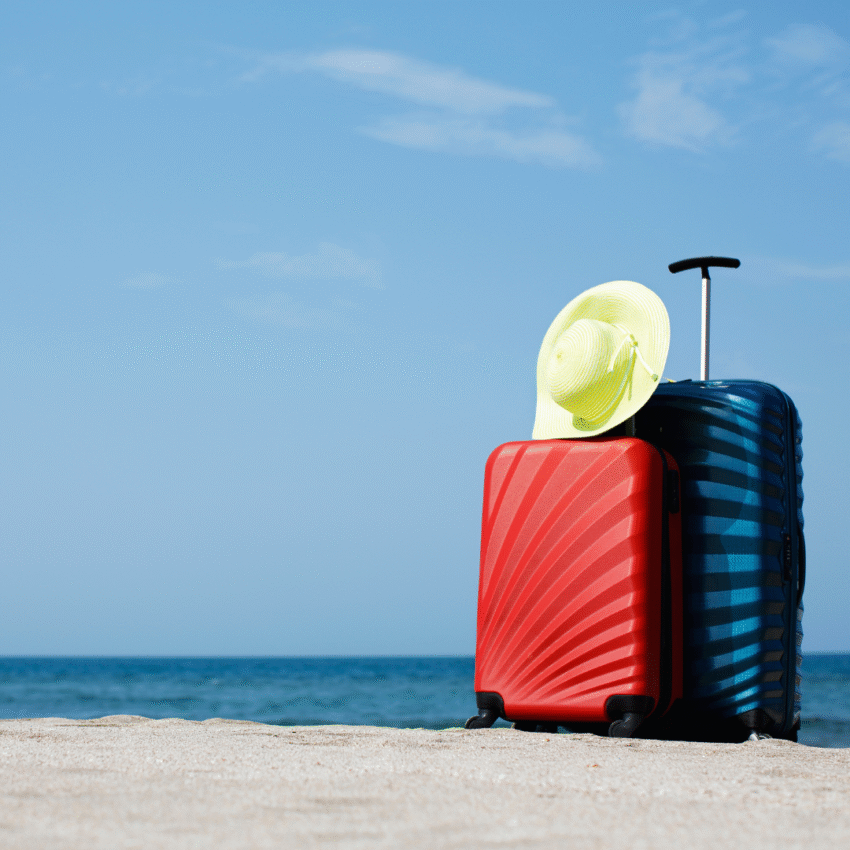
Traveling opens up a world of experiences, but it also comes with its share of risks, particularly when it comes to safeguarding personal belongings. By adopting simple yet effective strategies, travelers can significantly reduce the risk of theft and loss while enjoying their journeys. Knowing how to properly secure possessions can enhance the travel experience, allowing individuals to focus on discovering new places rather than worrying about their valuables.
Keeping items safe starts with awareness and planning. Travelers should choose secure bags and be diligent about where they store their valuables. Lightening the load by carrying only essential items can also minimize the chance of losing something important.
In addition to these practical tips, travelers can benefit from utilizing technology for added security. Apps that allow for tracking belongings and smart locks can provide peace of mind. These tips combine to create a travel experience that is both enjoyable and secure.
Protecting Valuables While Traveling
Keeping valuables safe while traveling requires a combination of smart accessories and secure storage options. By selecting the right anti-theft gear and utilizing safe storage solutions, travelers can minimize the risk of theft and loss.
Choosing the Right Anti-Theft Accessories
Travelers should consider investing in anti-theft bags and accessories designed to protect valuables. Money belts are an excellent option, allowing individuals to keep cash and important documents close to the body. Crossbody bags are also useful due to their security features. Look for bags made from slash-proof material that resist cuts and feature lockable zippers.
RFID-blocking pockets are crucial for protecting against electronic theft. Items like passports and credit cards should be stored in these pockets to prevent unauthorized scanning. A decoy wallet can help distract thieves. It holds a small amount of cash, allowing travelers to keep their primary wallet hidden and secure.
Safe Storage Solutions in Accommodations
When staying in hotels or hostels, travelers should take advantage of available security features. Most hotels provide hotel safes for storing valuables. It’s essential to use a padlock with a secure lock on luggage. While most safes are secure, combining different strategies enhances protection.
For those in hostels, securing personal belongings becomes vital. Utilizing a lockable backpack ensures it stays protected while in public areas. If a safe is unavailable, travelers should place items in less obvious spots. Hiding valuables in correctly packed bags or personal items can deter opportunistic theft.
Preventing Theft and Common Travel Threats
Travelers should remain vigilant and take proactive steps to protect their belongings. Awareness of surroundings and proper management of important documents can significantly reduce the risk of theft and common travel scams.
Staying Alert and Avoiding Pickpockets
Travelers must stay vigilant against pickpockets, especially in crowded areas. These thieves often distract their victims before swiftly taking wallets or phones.
To minimize risks, keep valuables in secure locations such as:
- Front pockets or money belts.
- Zippered bags that can be held close to the body.
Travelers should also avoid displaying expensive items, such as jewelry or technology, and remain aware of individuals loitering nearby.
Additionally, it is wise to be cautious of common travel scams, such as asking for assistance or providing unsolicited help. Maintaining situational awareness can help prevent these tactics.
Safeguarding Important Documents
Important documents, such as passports and identification, need special attention. Travelers should make digital copies of these documents before the trip. Storing copies in a secure cloud service allows for easy access in case of loss or theft. Here are key practices:
- Keep a physical copy in a separate bag.
- Always store passports within secured hotel safes when not in use.
Travelers should also share emergency contacts with trusted friends or family. This ensures that someone can assist in case of identity theft or loss.
Enhancing Digital and Travel Security
Travelers can take specific measures to safeguard both their physical and digital possessions. Implementing strong digital security practices and utilizing technology can significantly reduce the risk of loss or theft.
Practical Digital Security Tips
Travelers should prioritize digital security by employing strong, unique passwords for each account. A password manager can assist in managing these complexities. Two-factor authentication (2FA) adds an additional layer of security. This requires a verification code sent to a personal device, making unauthorized access more difficult.
Public Wi-Fi networks pose risks. Using a Virtual Private Network (VPN) can encrypt online activities and protect sensitive information. Regularly backing up data to the cloud or an external hard drive ensures access even if a device is lost or stolen. As an extra precaution, travelers should avoid online banking in unfamiliar places.
Using Technology to Track and Recover Belongings
Technology has made it easier to keep track of belongings. Devices such as Apple AirTags are excellent for monitoring valuable items like luggage, wallets, and electronics. These tags can be attached to personal possessions and connected to a smartphone app. If an item is misplaced, the app provides the last known location, increasing the chances of recovery.
Additionally, using travel insurance offers protection against loss or theft of personal belongings. This coverage can include reimbursement for lost items, which complements the tracking technologies. Staying informed about local laws regarding technology use can also help maintain digital security while traveling.