
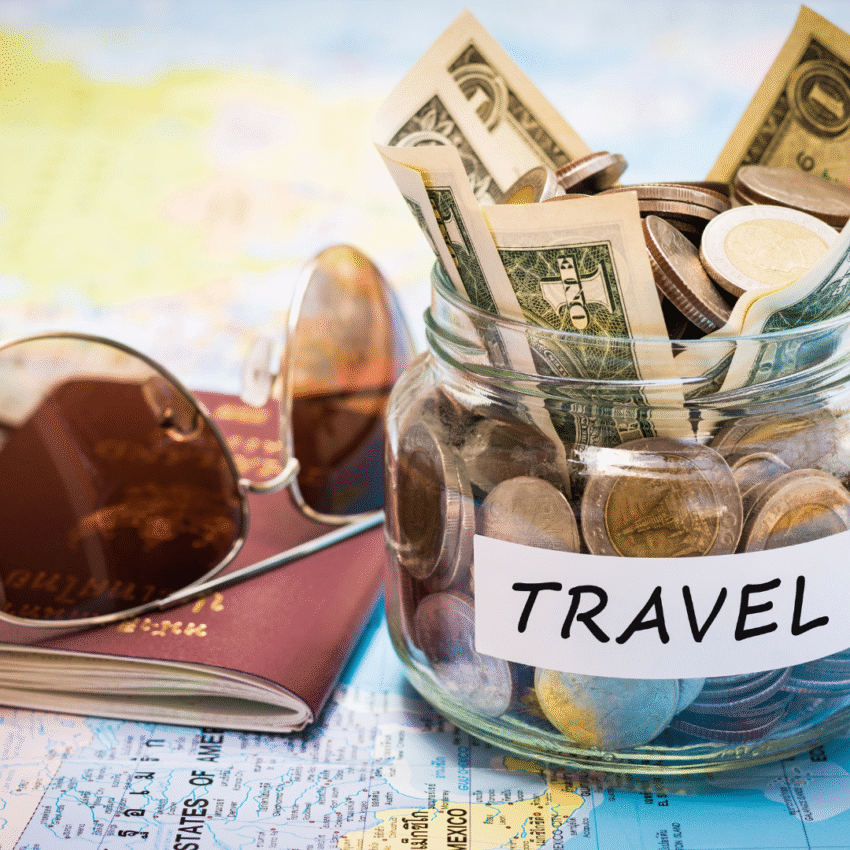
Creating a realistic travel budget is essential for any traveler looking to manage expenses effectively while enjoying their trip. By carefully researching and calculating costs for accommodations, transportation, food, activities, and emergencies, an individual can develop a budget that accurately reflects their travel plans. This approach not only prevents unexpected financial strain but also enhances the overall travel experience.
Many travelers underestimate the importance of planning for hidden costs, such as tips, taxes, and special activities. Understanding local prices and typical expenses in the destination can help avoid costly surprises. A well-structured budget allows for flexibility, enabling travelers to make informed choices that align with their financial comfort.
Ultimately, taking the time to create a detailed travel budget can lead to a more enjoyable and stress-free experience. It empowers individuals to prioritize their spending and focus on the aspects of their trip that matter most to them.
Fundamentals of Realistic Travel Budgeting
Creating a travel budget requires careful consideration of various factors. Establishing a practical budget, identifying travel goals, and preparing financially are crucial steps in the process.
Setting a Realistic Budget
To set a realistic budget, one must begin by evaluating overall expenses. Start by estimating costs for accommodation, food, transportation, entertainment, and activities.
A sample budget breakdown might include:
| Expense Type | Estimated Cost |
| Accommodation | $150 per night |
| Food | $50 per day |
| Transportation | $20 per day |
| Activities | $100 per day |
| Miscellaneous | $30 per day |
It is important to account for unexpected costs and fluctuations in pricing. This ensures that a traveler remains within their financial limits while enjoying their trip.
Identifying Your Travel Goals
Determining travel goals helps shape the budget. A traveler should ask themselves questions like: What experiences are most important? Are they prioritizing luxury accommodations or immersive cultural experiences?
Focusing on specific goals can streamline budget allocations. For example:
- If adventure activities are a priority, allocate more funds for excursions.
- If relaxation is the goal, prioritize higher-quality lodging.
Identifying these objectives allows for a more effective and targeted budget strategy.
Financial Planning and Preparation
Effective financial planning involves assessing current resources and potential savings. Travelers should account for income, regular expenses, and any funds set aside specifically for their trip. Creating a savings plan includes setting aside a specific amount each month. Consider:
- Opening a dedicated travel savings account.
- Automating transfers to ensure consistent savings.
Additionally, travelers can reduce costs before a trip by finding deals and discounts. Researching travel insurance options may also mitigate financial risks during the journey.
Breaking Down Major Travel Expenses
Travel expenses can vary significantly based on choices regarding accommodations, transportation, and meals. Understanding these elements helps in creating a realistic travel budget.
Accommodation Choices and Costs
Accommodation can be a large portion of travel expenses. Options range from budget hostels to luxury hotels.
- Hostels: Often cost between $20 to $50 per night.
- Mid-range hotels: Typically range from $70 to $150.
- Luxury hotels: Can start at $200 and go much higher.
Using platforms like Booking.com can help find competitive prices. Travelers should also consider location, as accommodations in city centers often cost more than those in outskirts. Airbnb and vacation rentals can provide more cost-effective and spacious options for groups or long stays.
Flights and Transportation Options
Flights represent another significant expense. Prices fluctuate based on seasonality and destination.
- Budget airlines: Offer tickets as low as $50 for short flights.
- Full-service airlines: Average between $150 and $500 for long-haul flights.
Tools like Google Flights help track fare changes and find deals. Once at the destination, transportation options vary. Public transport tends to be cheaper, with costs around $2 to $5 for single journeys. Rideshare apps can also be budget-friendly, especially for short distances.
Meal Costs and Daily Spending Limits
Meal costs also impact the travel budget. Eating habits can greatly influence total expenditure.
- Street food or casual dining: Usually costs $5 to $15 per meal.
- Mid-range restaurants: Charge from $15 to $40 per person.
- High-end dining: Can exceed $50 per person.
Setting daily spending limits is crucial. Travelers should consider allocating approximately $30 to $70 per day for meals based on location and preferences. Researching the local cost of living can assist in establishing realistic expectations for food spending.
Optimizing Your Travel Budget
Effective budget optimization requires a careful evaluation of expenses related to activities and entertainment. Utilizing budgeting tools can further enhance this process. Exploring budget-friendly destinations is also essential for a financially efficient trip.
Evaluating Activities and Entertainment
Travelers should prioritize their activities to align with their budget. Identifying must-see attractions versus optional experiences is key. For instance, entry fees for popular attractions can quickly add up.
Travelers can balance these costs by seeking free activities like local festivals, parks, or museums with no admission charge. Making a list of activities allows travelers to allocate a specific dollar amount for entry fees while ensuring access to enriching experiences.
Consider organizing activities into categories based on importance and cost. This enables a focused approach when planning daily itineraries. It may help to set a daily entertainment budget to maintain financial control throughout the trip.
Leveraging Budgeting Tools and Apps
In today’s digital age, several budgeting tools and apps can simplify financial planning. Popular travel budgeting apps allow users to track expenses in real-time. This fosters awareness of where funds are allocated.
For effective usage, travelers should input estimated costs before departure. By comparing actual spending to budgeted amounts, adjustments can be made as the trip unfolds. Websites often provide comparatives on prices, making it easier to identify deals. In addition, a travel credit card can offer perks like cash back or travel rewards. Choosing a card that minimizes foreign transaction fees can also contribute to staying within budget.
Finding Budget-Friendly Destinations
Selecting a destination with low-cost living can significantly impact a travel budget. Researching budget-friendly destinations may reveal cities or regions that offer affordable accommodations and meals. Travelers should consider the time of year, as prices fluctuate based on tourist seasons. Off-peak travel can lead to substantial savings on lodging and activities.
Consulting travel guides and reputable travel websites can provide insights into economical options. Filtering by cost allows travelers to locate destinations that match their financial plans, ensuring a memorable travel experience without overspending.
Protecting Your Budget and Maximizing Value
To maintain a realistic travel budget, it is essential to prepare for unexpected expenses, manage exchange rates effectively, and build a solid financial safety net. This section addresses crucial strategies for protecting a travel budget while ensuring maximum value for the expenses incurred.
Preparing for Unexpected Expenses
Unexpected expenses can disrupt even the best-planned travel budgets. Travelers should allocate a specific percentage, typically 10-20%, of their total budget for unforeseen costs. These may include medical emergencies, canceled flights, or other travel disruptions.
To stay prepared, travelers can research common local expenses in their destination. This knowledge allows for informed decision-making and minimizes the impact of surprises. Keeping a list of potential extra costs, such as tips, entry fees, or transportation, can also help in budget management.
Managing Exchange Rates and Payment Methods
Exchange rates significantly impact the value of travel spending. To get the most favorable rates, travelers should monitor rates before and during their trip. Utilizing local currency reduces the risk of incurring extra costs due to unfavorable conversions.
Credit cards that offer no foreign transaction fees should be prioritized. They often provide better exchange rates than currency exchange services. Moreover, using a travel card can protect against theft or loss, as funds can be easily replaced.
Building an Emergency Fund and Getting Travel Insurance
An emergency fund is crucial for protecting a travel budget. This fund should cover three to five days’ worth of travel expenses, allowing for flexibility in case of emergencies. Setting aside this amount helps travelers avoid overspending when faced with unexpected situations.
Travel insurance is equally important. It can cover medical emergencies, trip cancellations, or lost luggage. Investing in a comprehensive policy ensures financial protection and peace of mind throughout the trip.
Monitoring and Tracking Expenses
Keeping track of expenses is vital for maintaining a realistic budget. Travelers can use budgeting apps or spreadsheets to log daily expenses. By categorizing spending into accommodation, food, activities, and transportation, it becomes easier to identify areas for adjustment.
Setting daily or weekly spending limits allows for greater control over the budget. Regularly reviewing expenses against the allocated budget helps to avoid overspending. This practice not only enhances the travel experience but also fosters a deeper connection with the local culture through mindful spending.