
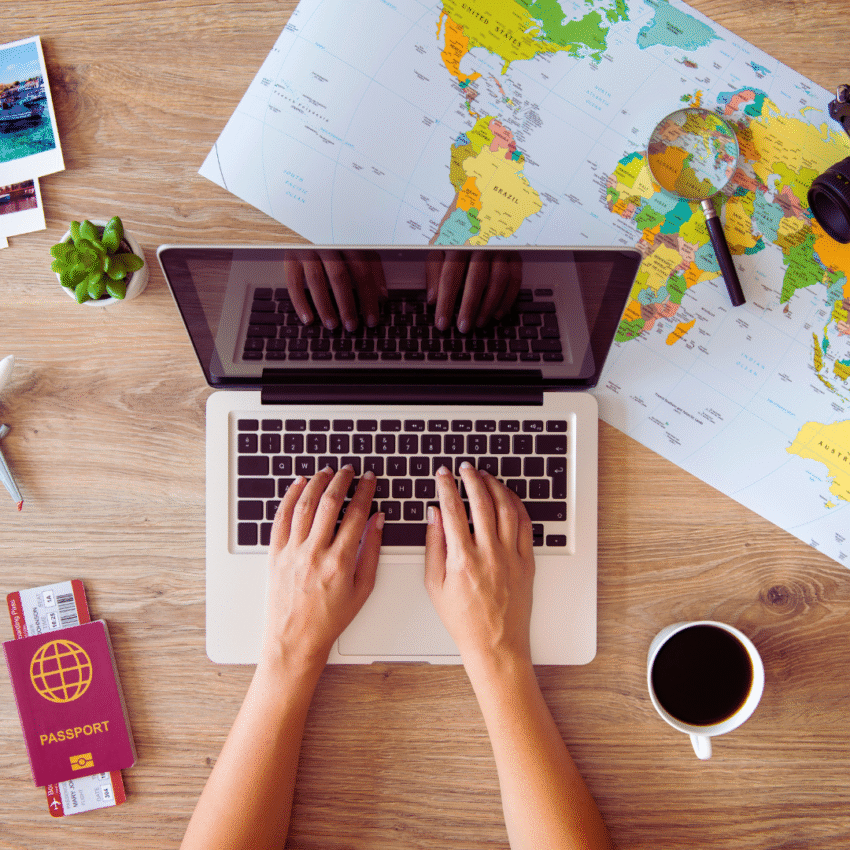
Planning a trip requires careful consideration and organization. From choosing a destination to packing the right items, each step plays a crucial role in ensuring a smooth travel experience. By following a detailed plan, travelers can maximize their enjoyment and minimize stress throughout the journey.
Identifying the purpose of the trip is the first step. Whether it’s for leisure, adventure, or business, this will guide decisions on destinations, accommodations, and activities. Researching options and creating an itinerary allows for better time management and enhances the overall experience.
Budgeting is another critical factor. Allocating funds for transportation, lodging, food, and activities helps avoid surprises. This measured approach enables travelers to enjoy their trip without financial stress, ensuring a more fulfilling experience.
Choosing and Researching Your Destination
Selecting a travel destination requires careful consideration of travel goals, timing, and local insights. Knowing what to prioritize can make the difference in trip enjoyment.
Set Your Travel Goals
Travelers should begin by defining their goals. Are they seeking adventure, relaxation, cultural experiences, or culinary delights? This clarity will guide the destination selection process.
For instance, if a traveler craves adventure, they might consider locations with outdoor activities like hiking or skiing. Conversely, those interested in history may prefer destinations rich in cultural heritage, such as Rome or Kyoto.
Using resources like TripAdvisor or travel blogs can help in evaluating destinations against these goals. Feedback from other travelers provides real insights, making it easier to choose the perfect spot.
Select the Best Time to Visit
Timing is crucial for a successful trip. Each destination has its peak seasons, which can greatly affect the experience. Travelers should research climate patterns, local festivals, and events that might enhance or diminish their visit.
For example, visiting a tropical location during the rainy season could lead to less enjoyable conditions. Alternatively, attending a local festival can provide a richer cultural experience.
To determine the best time, planners can use online resources and travel blogs to gather historical weather data and event calendars. Aligning travel dates with favorable conditions can significantly enhance the overall experience.
Research Local Highlights and Culture
Understanding a destination’s local highlights and culture is essential for a fulfilling trip. This includes identifying major attractions, hidden gems, and cultural norms.
Travelers should compile a list of must-see sites, such as museums, national parks, or historical landmarks. Additionally, they should explore local cuisine and customs to deepen their engagement with the location.
Resources like travel blogs often feature itineraries that include both popular and underrated spots. This research ensures travelers can appreciate the destination fully, fostering a more meaningful travel experience.
Budgeting and Booking Essentials
Planning a trip requires careful budgeting and thoughtful booking to ensure a smooth experience. Key elements include creating a detailed trip budget, monitoring flight alerts for the best deals, and organizing accommodations effectively.
Create Your Trip Budget
Establishing a trip budget is crucial for managing expenses. Travelers should begin by itemizing expected costs, such as:
- Flights: Research average prices to set a realistic estimate.
- Accommodations: Consider hotel or rental costs, using platforms like Airbnb for diverse options.
- Transportation: Include rental car fees or public transport costs.
- Food and Entertainment: Allocate funds for meals and activities.
Using a spreadsheet can help track all these expenses. Additionally, setting aside a small cushion for unexpected costs ensures that the trip remains financially manageable.
Monitor Flight Alerts and Book Flights
To secure the best airfare, monitoring flight alerts is essential. Tools like Google Flights allow travelers to set alerts for specific routes and receive notifications when prices drop.
When booking flights, consider the following tips:
- Flexible Dates: Prices fluctuate. Mid-week flights often cost less than weekend options.
- Book Early or Last Minute: Finding the sweet spot between early booking and last-minute deals can yield savings.
- Check Multiple Airlines: Prices vary among carriers; comparing multiple options increases chances of finding a deal.
Once the desired price appears, it’s wise to book promptly, as fares can change rapidly.
Organize Accommodations
Choosing the right accommodations is vital to an enjoyable trip. Travelers should assess their needs and preferences, then explore options across various platforms.
Key considerations include:
- Location: Ensure accommodations are conveniently located near attractions or transportation.
- Type of Stay: Balance budget and comfort; Airbnb may provide unique stays compared to hotels.
- Amenities: Check for desirable features such as free Wi-Fi, breakfast, or parking.
Reading reviews on platforms helps gauge the quality of stays. Personal preferences should guide the final choice, ensuring a comfortable and satisfying experience during the journey.
Preparing Documentation and Travel Requirements
Proper preparation of documentation and understanding travel requirements are essential for a smooth trip. This includes checking passport and visa requirements, obtaining travel insurance, and gathering essential travel documents.
Check Passport and Visa Requirements
Before planning any international trip, travelers must ensure their passport is valid. Most countries require a passport to be valid for at least six months beyond departure.
Visa requirements vary by destination. Some countries may require a visa for entry, while others allow visa-free travel for certain nationalities. It is crucial to research the destination well in advance.
Travelers can check visa requirements via government websites or online visa application services. If a visa is needed, allow ample time for processing, as it can take several weeks.
Obtain Travel Insurance
Travel insurance is highly recommended for international travel. It covers unexpected events such as trip cancellations, medical emergencies, or lost luggage.
When selecting insurance, consider coverage options like emergency medical treatment, trip interruption, or theft of personal belongings. Costs vary based on destination and duration of travel.
Travelers should read the policy details carefully and ensure they meet their specific needs. Some travel insurance policies also include coverage for COVID-19-related incidents.
Prepare Essential Travel Documents
In addition to a passport and visa, travelers should prepare other essential documents. This may include flight itineraries, accommodation confirmations, and any necessary vaccination records.
It’s beneficial to keep both physical and digital copies of these documents. Some travelers opt to store important documents in a secure travel app for easy access.
If traveling with minors, additional documentation such as consent letters from guardians may be required. Lastly, always check if any special permits or documents are required for specific activities at the destination.
Final Planning and Creating Your Itinerary
At this stage, the focus shifts to organizing each day of the trip. Effective planning ensures that every moment is enjoyable and allows for flexibility when needed. Attention to detail in transportation, activities, and essentials makes for a smooth experience.
Draft a Day-by-Day Itinerary
Drafting a day-by-day itinerary involves determining key activities and attractions for each day. Start by identifying must-see destinations. Each entry should include:
- Time: Specify start and end times for activities.
- Location: Clearly state the address or coordinates.
- Duration: Estimate how long each activity will take.
Include alternatives in case of weather issues or closures. It can also be helpful to allocate downtime, allowing participants to rest or explore spontaneously. Using tools like Google Sheets or travel apps can aid in organizing this information visually.
Arrange Transportation and Local Activities
Transportation options vary by destination. Visitors often rely on public transport, which can be economical. They should research:
- Bus and Train Schedules: Check local transport services for routes and timings.
- Rental Car Options: For more flexibility, consider renting a car. Ensure availability based on dates.
- Ride-Sharing Services: Apps like Uber or Lyft offer convenient alternatives.
For local activities, compile a list of guided tours, attractions, and events. Include necessary bookings in advance for popular sites. This combination of planning fosters a manageable yet enjoyable travel experience.
Develop Your Packing List
A comprehensive packing list tailored to the destination is essential. Include clothing appropriate for the climate and planned activities. Consider adding:
- Essentials: Toiletries, chargers, medications.
- Footwear: Comfortable shoes for walking and specific activities.
- Special Gear: Equipment for participating in specific adventures, such as hiking or swimming.
Checking weather forecasts before packing can help ensure readiness for conditions. Review the list multiple times to avoid forgotten items, particularly critical documents like passports or travel insurance.
Explore Local Food and Practical Tips
Exploring local food enhances the travel experience. Research regional dishes and dining options. Create a list of restaurants or food markets that highlight local cuisine. Consider including:
- Must-Try Dishes: Identify popular local specialties.
- Dining Styles: Understand whether to make reservations or if walk-ins are suitable.
For practical tips, familiarize yourself with dining customs, such as tipping practices. Look out for food festivals or local events occurring during the trip. Eating where locals dine often leads to an authentic culinary experience.