
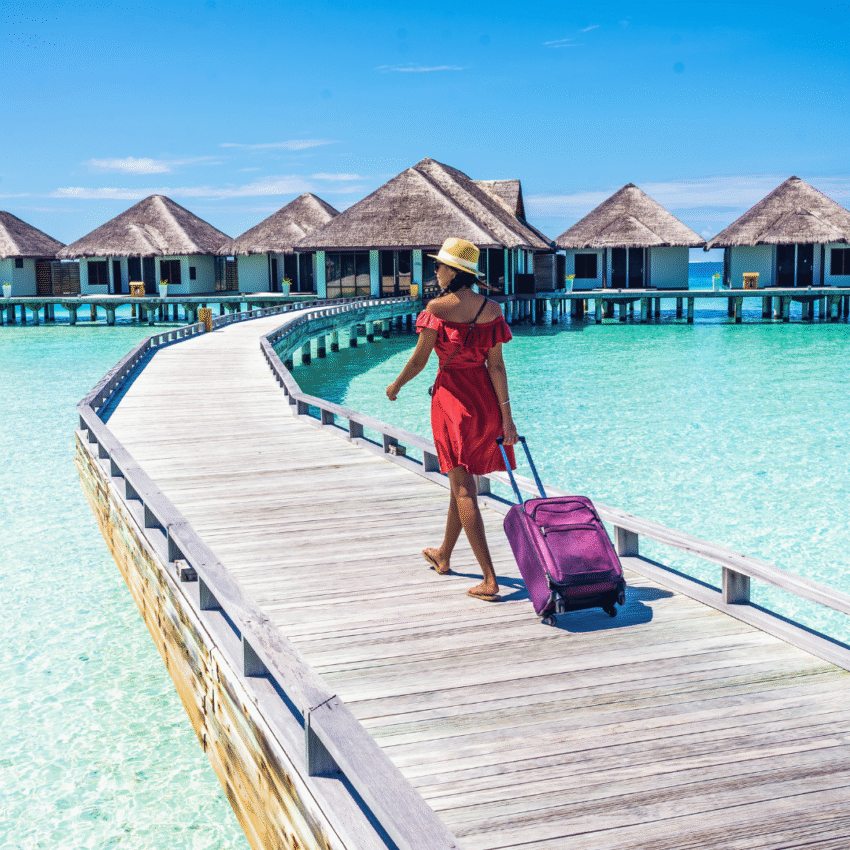
Planning a dream vacation on a tight budget may seem daunting, but it is entirely feasible with the right strategy. By prioritizing destinations, leveraging deals, and being flexible with travel dates, one can create an unforgettable experience without overspending. Many travelers have successfully enjoyed budget-friendly vacations by focusing on creative solutions and smart choices.
Consider the importance of thorough research when planning. Exploring off-peak travel times, utilizing budget airlines, and seeking accommodations that offer unique experiences can significantly lower costs. Additionally, engaging with local communities can provide insights into affordable activities, dining, and attractions that enrich the travel experience without breaking the bank.
Ultimately, achieving a dream vacation on a budget requires resourcefulness and planning. By being open to various options and actively seeking savings, anyone can transform travel dreams into reality, regardless of financial constraints.
Setting a Realistic Vacation Budget
Creating a vacation budget involves assessing financial goals, estimating costs, accounting for unforeseen expenses, and tracking savings progress. This structured approach ensures that the trip is enjoyable without compromising financial stability.
Define Your Financial Goals
Before diving into costs, it’s essential to define clear financial goals for the vacation. Determine the total amount available to spend, ensuring it aligns with other financial commitments. Consider what aspects are most important. Is it luxury accommodations or more activities? Prioritize these elements to allocate funds accordingly.
Utilize a budgeting app or a simple spreadsheet to track goals visually. This tool helps gauge spending progress and necessary adjustments. Setting realistic expectations aids in maintaining focus and motivation.
Estimate Major Travel Expenses
Estimating major travel expenses is crucial. Key categories include transportation, accommodation, food, activities, and insurance. Transportation: Research flights or alternative travel. Compare prices from different providers. Don’t forget to include local transport costs.
Accommodation: Look for budget-friendly options, such as hostels or vacation rentals. Consider off-peak travel for better rates. Food: Allocate funds for dining. Evaluate whether to eat out or buy groceries. Factor in activities like tours or events. Research costs upfront to avoid surprises.
Allocate Funds for Unexpected Expenses
No budget is complete without a plan for unexpected expenses. Hidden fees or emergency costs can arise during travel. Setting aside a specific percentage of the total budget—commonly 10%—can help cushion unforeseen expenditures.
Create a list of potential unexpected costs, including medical emergencies or last-minute activity changes. Having this fund allows flexibility without derailing the primary budget. Maintain awareness that some hidden fees, such as baggage fees or service charges, can arise. Budgeting for these in advance prevents added stress during the trip.
Track Your Vacation Savings
Consistently tracking vacation savings helps ensure the budget remains on target. Start by calculating how much needs to be saved each month until the trip. Utilize visual aids like charts or graphs to monitor progress. This helps maintain motivation and provides a clear picture of savings shortfalls or surplus.
Implement strategies like automatic transfers to savings accounts designated for vacation costs. This streamlines the savings process and makes it easier to reach financial goals. Review and adjust the budget as needed. Unexpected expenses or changes in travel plans may necessitate shifts in allocation. This flexibility fosters a positive approach to budgeting. In some cases, finding extra funds could even come from redeeming old or legacy currency of Finland (or elsewhere). These currencies can still be exchanged through specialized services for euros, providing an unexpected boost to your travel budget.
Finding Affordable Destinations and Transportation
Planning a vacation on a budget requires careful selection of destinations and transportation options. Identifying cost-effective choices can maximize enjoyment while minimizing expenses.
Choose Budget-Friendly Vacation Ideas
To start, consider destinations known for their affordability. Places like Southeast Asia or Central America offer rich experiences at lower costs.
Common Budget Options:
- Hostels: Often much cheaper than hotels.
- Camping: A fun way to stay close to nature without high accommodation costs.
- Local Attractions: Smaller towns can have unique offerings without the tourist markups.
Research activities that attract fewer crowds, such as local festivals or outdoor adventures. Compare amenities and include free options, like hiking trails or public beaches, to maintain costs.
Save on Flights and Budget Airlines
Finding the best flight deals is crucial. Budget airlines can significantly lower airfare costs. They often offer lower prices if booked in advance, particularly for off-peak travel.
Tips for Booking Flights:
- Search Engines: Use tools like Google Flights or Skyscanner to compare rates across various carriers.
- Set Alerts: Many sites allow users to set price alerts for specific routes.
- Flexible Dates: If travel dates are flexible, he may find cheaper options throughout the week.
Be aware of additional costs like baggage fees, which can add to the overall fare.
Explore Road Trips and Public Transportation
Road trips can be an economical way to travel. They allow flexibility in itinerary and can be more affordable with a group sharing costs.
Benefits of Road Trips:
- Avoiding Flight Costs: Saves on airfare, especially for short distances.
- Sightseeing Opportunities: Offers chances to explore hidden gems along the route.
For city travel, public transportation is often more economical than taxis. Options like buses and trains can connect travelers to attractions without the hassle of parking or high rental fees.
Take Advantage of Off-Peak Times
Traveling during off-peak seasons can lead to significant savings. Prices for flights, accommodations, and attractions tend to drop when demand is lower.
Benefits of Off-Peak Travel:
- Cheaper Rates: Accommodation and airline prices often decrease dramatically outside of peak seasons.
- Less Crowding: Enjoy attractions without long lines or overbooked venues.
Look for local events or festivals in shoulder seasons, when costs are lower but fun activities are still available. This strategy allows for enjoyable experiences without overspending.
Booking Budget-Friendly Accommodations and Activities
Finding affordable places to stay and engaging activities can transform a tight budget into an enjoyable experience. Broad options exist for accommodations, while local attractions and self-guided tours can provide memorable experiences without breaking the bank.
Compare Accommodations: Hostels, Motels, and Vacation Rentals
Hostels are a popular choice for budget travelers due to their low rates and shared facilities. They often provide dormitory-style rooms, which allow for social interaction. Conversely, motels typically offer private rooms at an affordable price and may include amenities like free parking and Wi-Fi.
Vacation rentals, such as those found on platforms like Airbnb and VRBO, can also be economical. Travelers can book entire homes or private rooms, often at prices comparable to hotels. When comparing these options, it’s essential to consider location, amenities, and reviews.
Another option is to look for package promotions that combine lodging with activities. Many travelers use online platforms like Vacation Deal Hub to find discounted rates on resorts. These packages often include access to amenities like private beaches or pools. This keeps the total cost of the trip low and ensures a comfortable stay.
Making reservations during off-peak seasons can yield even lower prices.
Consider Couchsurfing and Home-Sharing Platforms
Couchsurfing is a unique option that allows travelers to stay with locals for free. It fosters cultural exchange and can provide insights into local life. This option is ideal for those seeking an immersive experience and willing to create connections.
Home-sharing platforms like Airbnb or VRBO offer starts around budget rates, often with special deals. Sometimes, hosts may also offer discounts for longer stays. Reading reviews and communicating with hosts can enhance the booking experience and uncover valuable insights about the neighborhood.
Find Free and Low-Cost Activities
Many destinations offer a wealth of free or low-cost activities. Local museums frequently have “free admission” days or discounted rates for students and seniors. Parks may host free events, such as musical performances and art shows, appealing to a variety of interests.
Cultural events usually provide enriching experiences without high costs. Researching local listings or community boards can uncover seasonal festivals, food markets, and parades, offering unique views into regional culture without any major expense.
Plan Self-Guided Tours and Local Experiences
Self-guided tours allow travelers to explore at their own pace. Many cities provide downloadable guides, maps, and audio tours, enabling visitors to discover attractions without the cost of tour guides. Key points of interest can include historical sites, parks, and unique architectural features.
Local experiences, such as hiking trails or scenic viewpoints, are typically low-cost or free. Utilizing local transportation like buses or subways can further reduce expenses. Travelers can also save money by choosing accommodation options that support longer stays and access to outdoor recreation, such as campgrounds and seasonal rv camping Central Alberta or from elsewhere to explore the region. Making a list of free attractions alongside affordable options can ensure a well-rounded itinerary without overspending.
Maximizing Savings on Food, Currency, and Travel Extras
Managing expenses during a vacation is crucial for anyone on a tight budget. Focusing on food, currency exchange, and travel extras can significantly enhance the travel experience while keeping costs low.
Eat Like a Local and Save Money on Food
Eating local food is often more affordable and offers a genuine taste of the destination. Local markets provide a variety of fresh, inexpensive options. He or she can explore street food stalls, which usually offer meals at budget-friendly prices compared to restaurants.
Happy hour specials can also be a great way to enjoy local cuisine without overspending. Researching the best local eateries and their prices ahead of time contributes to better planning. Cooking meals using groceries sourced from local markets can further help in cutting down food expenses.
Use Coupons, Deals, and Reward Programs
Utilizing coupons and deals can lead to significant savings on food and other activities. Many restaurants and food vendors offer discounts through local tourist information centers or apps specifically designed for travelers.
Credit card rewards and travel rewards programs may provide cashback or points that can be redeemed for meals. Signing up for newsletters from favorite restaurants can also ensure receiving exclusive deals directly to one’s inbox. Package deals sometimes including meals at reduced rates can help manage food spending effectively.
Manage Currency Exchange and Conversion Costs
Understanding currency exchange and conversion rates is vital for maximizing budget. He or she should ideally exchange currency before reaching the destination to avoid high airport fees. Researching the most favorable exchange rates can make a notable difference in total expenses.
Using credit or debit cards that offer no foreign transaction fees can save money as well. It is also wise to withdraw larger amounts of local currency at once, as ATMs might charge fees for multiple small withdrawals.
Travel Packing and Money-Saving Tips
Smart packing can lead to significant savings during travel. Avoiding extra baggage costs by packing light is crucial. Sticking to essentials prevents the need for additional purchases during the trip.
Bringing a refillable water bottle can eliminate buying expensive bottled water. He or she should also consider packing snacks for long outings, as food at tourist spots can be pricier. Creating a detailed packing list ensures that necessary items are not forgotten, avoiding last-minute purchases.