
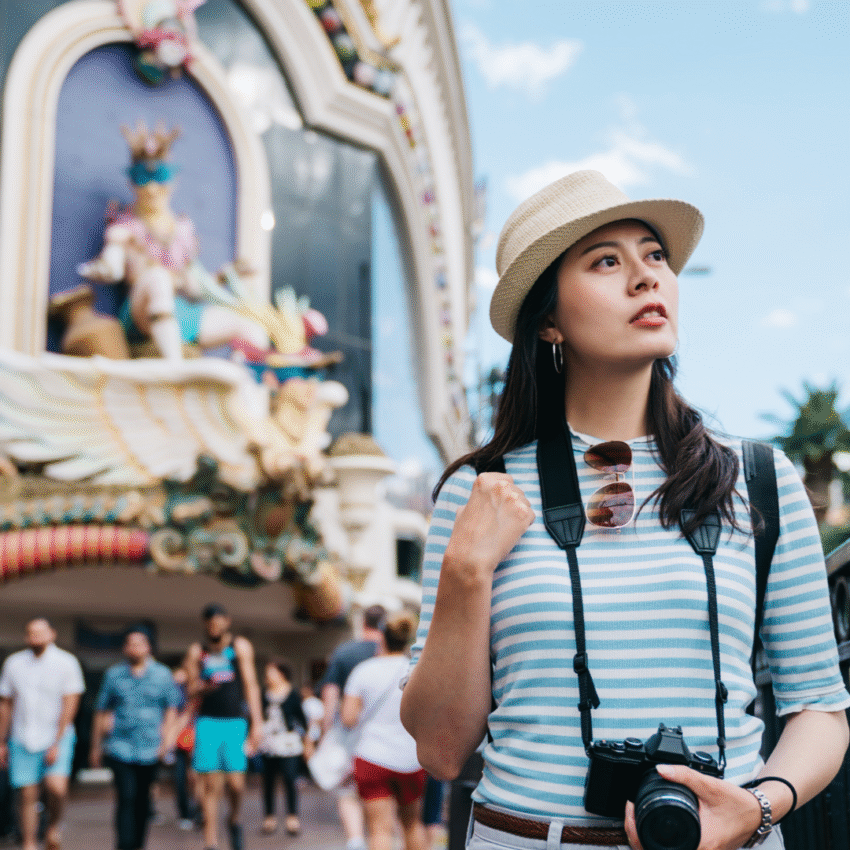
Traveling alone can be an exhilarating experience filled with new adventures and personal growth. Yet, it also requires careful planning and awareness to ensure safety throughout the journey. Being mindful of one’s surroundings and taking practical precautions can significantly reduce risks while traveling solo.
Preparation is key to a successful trip. Thorough research on the destination, accommodation safety, and local laws can make a big difference. Additionally, sharing travel itineraries with friends or family adds another layer of security.
Staying connected and aware of the environment helps in avoiding potentially dangerous situations. Employing strategies like trusting one’s instincts and using technology for navigation can empower solo travelers. Simple measures can enhance safety and contribute to a more enjoyable travel experience.
Essential Preparation for Traveling Alone
Preparing for solo travel requires careful planning and consideration to ensure safety and enjoyment. Travelers should address various aspects to enhance their experience, including thorough research, a well-structured itinerary, essential documents, and appropriate gear.
Researching Destinations and Safety Concerns
Conducting in-depth research about the destination is vital for solo travelers. They should look into local customs, cultural norms, and safety ratings of neighborhoods. Websites like government travel advisories and travel forums provide valuable information on areas to avoid and prevalent scams.
It’s also beneficial to learn basic phrases in the local language, as this can aid in navigating and building rapport with locals. Understanding transit systems and emergency services available can enhance a traveler’s safety.
Consulting blogs written by other solo travelers can offer firsthand insights that guide decision-making. Knowledge about potential risks allows travelers to stay alert and prepare for challenging situations.
Planning Your Travel Itinerary
A well-structured travel itinerary is essential for navigating a solo journey. It should include accommodation details, transportation methods, and a list of activities prioritized by importance. Solo travelers can benefit from a mix of planned activities and free time. Rigid schedules may lead to stress, while too much flexibility could result in wasted time. Including landmarks, restaurants, and local events ensures a rounded experience.
Using apps for organizing travel plans or a simple spreadsheet can keep information accessible. This structure helps solo travelers stay oriented and aware of their surroundings, enhancing overall safety.
Important Travel Documents and Insurance
Having the right travel documents is crucial for navigating trips alone. Solo travelers must carry copies of essential documents like their passport, visa, and travel insurance policy. Travel insurance should cover appropriate risks, including trip cancellations, health emergencies, and lost belongings. They should evaluate different policies to find one that includes medical assistance abroad.
Storing documents in a water-resistant pouch is advisable. Keeping some items in a secure, hidden pocket or a pickpocket-proof clothing can prevent loss or theft. This preparation allows any traveler to focus more on their experience than on potential setbacks.
Packing the Right Travel Gear
Packing the right gear can make a significant difference for solo travelers. A well-thought-out packing list should include essentials like a first-aid kit, which can address minor injuries or illnesses. Comfortable, versatile clothing is key for unexpected weather changes while also keeping safety in mind. A doorstop can be a simple yet effective addition for securing rooms.
Travelers may also consider functional accessories such as a travel backpack, a portable charger, and refillable water bottles. Prioritizing packing based on the activities planned can streamline the travel experience, ensuring he or she is adequately equipped for diverse situations.
Smart Safety Strategies on the Road
Traveling alone presents unique challenges and requires a proactive approach to safety. Being aware of surroundings, choosing secure accommodations, navigating public transport, and recognizing potential scams are critical steps for a safer journey.
Staying Aware and Trusting Your Instincts
Awareness is vital for solo travelers. Keeping a keen eye on the environment helps identify potential threats. This includes noticing unusual behavior or unfamiliar individuals lingering nearby.
Trusting instincts can guide decisions. If something feels off, it’s wise to leave the area or reconsider plans. Personal safety alarms can provide additional reassurance, allowing them to alert others in case of emergency. Regularly checking surroundings, especially in crowded spaces, ensures a sense of security.
Securing Accommodations and Valuables
Selecting safe accommodations is paramount. Researching reviews and ratings can highlight secure options. It’s best to choose reputable hotels or hostels in well-lit areas, preferably with 24-hour reception services.
Using an in-room safe or portable lockbox for valuables minimizes risk. Documents like passports and credit cards should be kept secure and only carried when necessary. Investing in travel insurance adds an extra layer of protection against theft or loss.
Navigating Public Transport and Public Spaces
Public transport can be tricky for solo travelers. Maintaining a low profile reduces attention from unwanted individuals. Avoid displaying luxury items or large amounts of cash while traveling. Staying aware of belongings is crucial. Keeping bags zipped and close to the body deters pickpocketing. Planning routes in advance and knowing stop names can ease navigation in unfamiliar areas.
Protecting Yourself from Scams and Pickpocketing
Scams often target solo travelers. Common scams include friendly strangers offering help, which can lead to theft. Remaining skeptical and cautious around overly accommodating individuals helps avoid danger.
Awareness of pickpocketing techniques is beneficial. Thieves often work in pairs; one distracts while the other steals. Keeping valuables in front pockets or using a crossbody bag can deter would-be thieves. Understanding local scams from travel forums or guides helps in recognizing potential threats before they escalate.
Technology and Communication Tips for Solo Travelers
Solo travelers benefit from various technology and communication tools that enhance safety and connectivity. Utilizing these effectively can lead to a more enjoyable and secure traveling experience.
Using Offline Maps and Translation Tools
Offline maps are essential for solo travelers, as they provide access to navigation without relying on mobile data. Apps like Google Maps allow users to download specific areas for offline use. Prior to departure, travelers should download maps of their destination.
For language barriers, translation apps such as Google Translate can assist in communication. Downloading the local language pack enables offline translation, making it easier to interact with locals. Familiarizing oneself with key phrases can also enhance the experience. Carrying a small phrasebook can serve as a useful backup.
Securing Devices and Avoiding Risks on Public Wi-Fi
Solo travelers should take precautions when using public Wi-Fi. It is important to avoid accessing sensitive information, such as bank accounts, on unsecured networks. Using a VPN encrypts data, adding a layer of security while online.
Setting devices to require a password or biometric authentication also helps protect personal information. Travelers should disable automatic connections to Wi-Fi networks and remember to turn off location sharing when not needed. These steps contribute to minimizing risks while navigating unfamiliar areas.
Keeping Family and Friends Informed
Regular communication with family and friends provides peace of mind for both the traveler and their loved ones. Setting a specific schedule for check-ins helps ensure that someone is always aware of the traveler’s whereabouts.
Using messaging apps offers quick communication. With services like WhatsApp and Telegram, travelers can send updates and share their live location easily. Additionally, informing trusted contacts of travel itineraries and accommodations can further enhance safety and accountability.
Joining Travel Forums and Local Tours
Engaging with travel forums allows solo travelers to connect with others who have experienced similar destinations. Websites such as Lonely Planet’s Thorn Tree and Facebook groups can provide valuable tips and advice on local customs.
Participating in local tours or walking tours not only enriches the travel experience but also provides opportunities to meet other travelers. Local guides can offer in-depth knowledge about the area and facilitate connections. Staying in touch with fellow participants can lead to shared adventures later in the trip.
Practical Tips for Solo Female Travelers
Traveling alone can be empowering and rewarding for women. With careful planning and awareness, solo female travelers can enhance their safety and enjoyment during their journeys.
Prioritizing Personal Safety as a Solo Female Traveler
Solo female travelers should always stay alert and trust their instincts. Research the destinations thoroughly to know the safety records of different areas. It’s beneficial to have emergency contacts accessible.
Using a GPS-enabled smartphone can help navigate while avoiding risky neighborhoods. Staying connected with family or friends through regular check-ins adds a layer of security. It’s wise for solo travelers to blend in; avoid flashing valuables and dress appropriately for the culture.
Consider carrying a personal alarm or a whistle for emergencies. Joining local tours or groups can also provide a sense of safety in numbers.
Choosing Safe Accommodations and Transport
Selecting safe accommodations is crucial. Opt for well-reviewed hotels or hostels in reputable neighborhoods. Check for security features like 24-hour reception, secure entry systems, and in-room safes.
While using public transport, choose well-lit stops and busy routes. Booking rides through established apps instead of hailing cabs on the street enhances safety. Always inform the accommodation staff of your itinerary when possible. This allows someone to know your whereabouts in case of emergencies.
Managing Cash and Cards Securely
It is advisable for solo female travelers to manage their cash and cards wisely. Split cash between different locations, such as in a money belt and a secure pocket. This way, if one stash is lost or stolen, they still have access to funds.
Using credit cards is safer than carrying large amounts of cash. She should activate fraud alerts and notify the bank of travel plans to prevent service interruptions. Utilizing a travel wallet can help keep essential documents and cards organized. Keep copies of important documents locked away in accommodations and consider using digital wallets for ease and safety.