
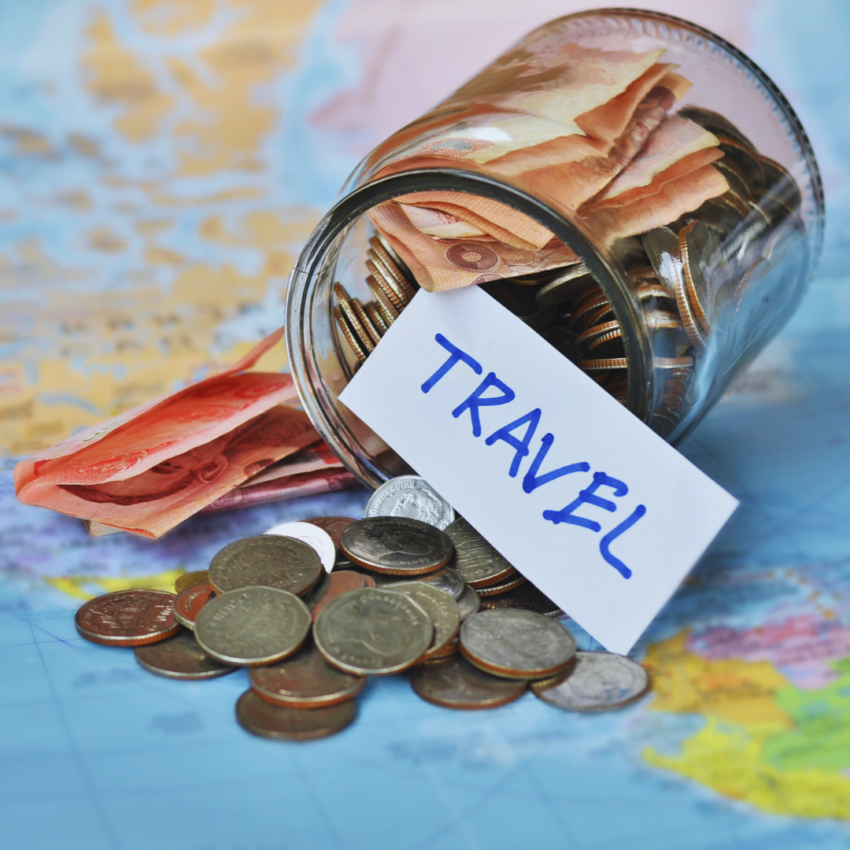
Traveling offers exhilarating experiences, but budgeting for such adventures can be daunting. There are effective strategies to save money while traveling without sacrificing the quality of the experience. By making informed choices and planning ahead, travelers can stretch their dollars further, allowing them to explore more destinations and enjoy each trip to the fullest.
Knowing where to cut costs is crucial. Many find savings in accommodation through options like home-sharing or hostels, and by exploring local dining, travelers can discover authentic flavors without breaking the bank. Additionally, smart use of public transportation can enhance the journey while keeping expenses low.
With the right tips and tricks, anyone can enjoy memorable travels without overspending. Embracing a resourceful mindset opens up a world of possibilities, allowing for enriching experiences without financial stress.
Setting Your Travel Budget
Establishing a clear travel budget is crucial for managing expenses effectively. It involves assessing expected costs, allocating funds appropriately, and maintaining discipline during the trip.
Determining Travel Expenses
To set a realistic travel budget, he needs to identify all potential expenses. This includes transportation, accommodation, food, activities, and souvenirs.
| Expense Type | Estimated Cost |
| Transportation | $200 |
| Accommodation | $600 |
| Food | $300 |
| Activities | $150 |
| Miscellaneous | $100 |
Estimating costs involves researching prices in advance. Online travel tools, local guides, and forums can provide valuable insights. He should also factor in unexpected expenses to ensure a comprehensive budget.
Allocating Money for Travel
After estimating expenses, it’s vital to allocate the budget effectively. He can prioritize expenses based on importance.
Consider using percentage allocations:
- Transportation: 25%
- Accommodation: 40%
- Food: 20%
- Activities: 10%
- Miscellaneous: 5%
This method helps in distributing funds to different categories efficiently. He should also consider setting aside a reserve fund for emergencies or spontaneous activities. Adjusting allocations based on personal preferences or travel destinations is also advisable.
Daily Budget Discipline
Maintaining a daily budget is essential for staying within limits. He can break down the travel budget into daily spending amounts.
For instance, if the total budget is $1,500 for a week, the daily budget would be around $214. Keeping track of daily expenses using apps or notepads can help monitor spending.
He should make adjustments where necessary. If one day spends less, he can allocate more to another day for a special activity. Staying disciplined centers on awareness and flexibility within the established budget.
Maximizing Savings on Transportation
Transportation costs can add up quickly during travel. By implementing specific strategies, travelers can significantly reduce these expenses. Here are effective ways to maximize savings on transportation.
Scoring Cheap Flights
To find affordable airfare, travelers should prioritize flexibility in their travel dates and times. Utilizing flight comparison websites allows them to compare prices across multiple airlines.
Tips for finding cheap flights:
- Travel Off-Peak: Flying during off-peak seasons or days can result in lower fares.
- Set Price Alerts: Use tools like Google Flights or Skyscanner to monitor price changes and receive alerts when fares drop.
- Consider Nearby Airports: Checking alternative airports can reveal better deals.
Joining a travel rewards program or using a travel credit card can also provide benefits like bonus miles and discounts on future flights.
Utilizing Public Transportation
Public transportation is often a cost-effective alternative to taxis or rental cars. Many cities offer efficient public transit options such as buses, trams, and subways.
Benefits of using public transit include:
- Lower Fares: Daily or weekly passes often provide unlimited travel at a lower rate.
- Local Experience: Using public transportation allows travelers to experience a destination more authentically.
- Avoiding Parking Fees: Relying on public transit eliminates potential costs associated with parking.
Researching local transit systems can yield valuable insights into routes and schedules, ensuring travelers save time and money.
Avoiding Foreign Transaction and ATM Fees
Foreign transaction fees can quickly eat into a travel budget. Travelers should consider using a travel credit card that has no foreign transaction fees, which can lead to significant savings.
How to minimize ATM fees:
- Use Partner Banks: Many banks have global partnerships that allow for fee-free ATM withdrawals.
- Withdraw Larger Amounts: Taking out larger sums can reduce the number of transactions, subsequently decreasing fees.
- Avoid Standalone ATMs: ATMs in tourist areas often charge higher fees; choosing bank-affiliated machines can offer better rates.
By planning ahead and selecting the right financial tools, travelers can keep these fees to a minimum.
Finding Affordable Accommodations
Travelers looking to save money on lodging can explore various options beyond traditional hotels. Utilizing alternative accommodations and being aware of hidden fees can significantly reduce overall travel expenses.
Cutting Costs with Alternative Lodging
Alternative lodging options such as Airbnb, VRBO, and hostels offer travelers a chance to save money. These platforms often provide unique accommodations at lower prices than hotel chains.
Hostels are particularly budget-friendly and foster a social atmosphere. They typically feature shared rooms, which can significantly cut costs.
Airbnb and VRBO allow guests to rent entire homes or private rooms, which can accommodate groups and families at competitive rates. Additionally, these platforms may have listings with kitchen facilities, enabling travelers to prepare their own meals and avoid dining costs.
Avoiding Hidden Accommodation Fees
Travelers should remain vigilant about potential hidden fees when booking accommodations. Resort fees and additional charges for amenities can inflate lodging costs significantly.
It’s crucial to read the fine print before confirming a reservation to avoid surprises. Some hotels may advertise low rates but add daily fees for services like Wi-Fi or breakfast.
Furthermore, opting for accommodations that include a complimentary breakfast can lead to additional savings. Travelers should compare the total cost, including taxes and fees, across different platforms and accommodations. This thorough approach helps ensure they make an informed decision and stay within budget.
Savvy Spending on Activities and Dining
Finding ways to enjoy activities and dining while traveling can significantly reduce expenses. By utilizing free attractions and opting for local dining, travelers can experience the essence of their destination without overspending.
Exploring Free Tourist Attractions
Many cities offer an array of free tourist attractions. These include parks, museums with free admission days, and cultural festivals. Travelers can enhance their experience by joining free walking tours, where local guides share insights about the area.
Researching local events beforehand can uncover opportunities for free entertainment. Utilizing apps or websites dedicated to travel deals can help pinpoint these activities. Additionally, consider visiting local grocery stores or food carts for authentic cuisine. This approach supports local businesses while saving money.
Eating Like a Local Without Overspending
Dining experiences can be budget-friendly when travelers prioritize local eateries. They should seek out local food carts or smaller restaurants instead of tourist-heavy spots. These options often provide authentic meals at lower prices.
Using a refillable water bottle can minimize costs related to drinks. When shopping for snacks or meals, local grocery stores often offer fresher and cheaper options. If travelers plan to stay for longer, investing in a city card may yield discounts on attractions and dining.
Lastly, embracing street food and market stalls not only supports local vendors but also allows for a richer culinary experience without breaking the bank.