
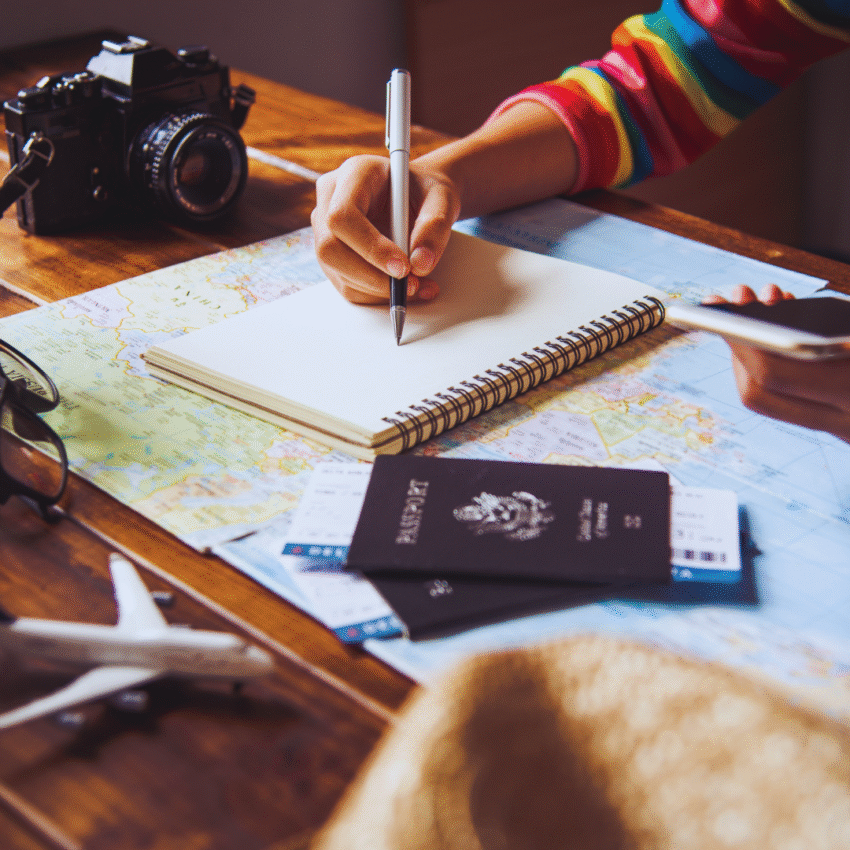
Traveling can be an enriching experience, but poor budgeting can turn excitement into stress. Many travelers overlook key aspects that can lead to unnecessary expenses and missed opportunities. Avoiding common travel budgeting mistakes can significantly enhance the travel experience while keeping finances in check.
One of the most frequent errors is failing to account for all potential costs, such as transportation, meals, and activities. Many people create a budget based only on accommodation and flights, which can lead to unpleasant surprises. Awareness of hidden fees and local expenses helps in creating a realistic budget essential for any journey.
Additionally, travelers often underestimate the importance of planning for flexibility. Not having a buffer for unexpected costs can strain a budget and diminish the enjoyment of the trip. By being aware of these pitfalls, travelers can make informed decisions that lead to a more enjoyable adventure.
Mistakes When Creating Your Travel Budget
Creating a travel budget can be challenging, especially when it comes to anticipating all costs involved. Several common mistakes can impact the overall effectiveness of a travel budget, leading to financial strain.
Ignoring Hidden Costs
Many travelers overlook hidden costs that can significantly affect their travel budget. These might include fees for checked luggage, transportation from airports, and costs related to currency exchange.
Travelers should also consider booking fees that might not be included in the initial pricing of flights or accommodations. Leaving taxes and service charges out of the calculations can also skew budget estimations. To address this, creating a detailed list of all potential costs and checking fine print is essential. Budgeting apps can help by highlighting these hidden fees during the planning process.
Overlooking Unexpected Expenses
Unforeseen costs often arise while traveling. These can include medical emergencies, travel delays, or last-minute changes in accommodation. Such expenses can derail a travel budget if not accounted for in advance.
Travelers should set aside a portion of their budget for unexpected needs. A good rule of thumb is to allocate around 10-15% of the total budget for these uncertainties. This helps reduce financial strain when situations arise unexpectedly. Being proactive in research can also help identify common unexpected expenses in certain destinations. Knowledge of these can lead to better preparation and less budget disruption.
Relying on Poor Budgeting Tools
Using inadequate budgeting tools can lead to mismanaged funds and inaccurate tracking of travel expenses. Many travelers may rely on basic spreadsheets or inconsistent note-taking, which can lead to overspending.
Opting for robust budgeting apps can provide a more effective way to monitor expenses and stay within budget. These tools often have features that categorize spending, set spending limits, and provide visual reports of budget health.
Travelers should also ensure that the tools they choose are user-friendly and compatible with their travel needs. This can significantly reduce mistakes and enhance budgeting accuracy throughout the trip.
Costly Mistakes on the Road
Travelers often encounter significant expenses on their journeys due to common budgeting mistakes. Being aware of certain pitfalls can help in managing costs effectively while traveling.
Falling for Tourist Traps
Tourist traps typically promise memorable experiences but often come with inflated prices. These attractions lure travelers with appealing advertisements and convenient locations near popular sites.
For example, restaurants in tourist areas may charge high rates for mediocre cuisine. To avoid this, travelers should research dining options and seek recommendations from locals or review platforms. Additionally, overpriced souvenirs sold in these areas can deplete budgets quickly. Prioritizing authenticity and local craftsmanship often leads to more meaningful purchases and better deals.
Misunderstanding Exchange Rates and ATM Fees
Many travelers do not fully grasp exchange rates and the associated fees, which can lead to unexpected expenses. When withdrawing cash abroad, travelers might face higher ATM fees than expected. A lack of awareness regarding how exchange rates fluctuate can also result in diminished funds. It’s crucial to check rates before departure and consider using credit cards with no foreign transaction fees.
Travelers should compare ATM fees from different banks and carry a small amount of local currency for minor purchases. This approach minimizes reliance on expensive exchange services.
Skipping Travel Insurance
Neglecting travel insurance can lead to significant financial loss. While premiums add to upfront costs, the potential savings during emergencies often outweigh this expense. Travelers without insurance could face high medical bills, lost luggage costs, or trip cancellations. Policy options can cover transportation costs in case of sudden changes or emergencies.
Before traveling, evaluating policy options helps identify the right coverage. Basic protection should include medical emergencies and trip interruption.
Overpacking Leading to Higher Costs
Overpacking can incur additional transportation costs, especially with airlines that charge for excess luggage. Traveling with more bags than needed increases hassle and may lead to complications.
Many travelers may overlook the cost of checked bags and opt for airlines with less rigorous baggage policies. Leaving behind non-essential items can lighten the load and save money. Organizing luggage effectively and prioritizing versatile clothing can minimize bulk. This strategy not only reduces costs but also eases mobility and enhances the travel experience.
Accommodation and Dining Budget Pitfalls
Travelers often encounter pitfalls in accommodation and dining budgets that can lead to unexpected expenses. Awareness of these common mistakes can enhance budget management and allow for more enjoyable travel experiences.
Underestimating Accommodation Options
Many travelers default to traditional hotels, overlooking alternatives like vacation rentals, hostels, and house-sitting. Vacation rentals often provide larger spaces and kitchen facilities, leading to significant savings. Hostels can offer affordable rates and meet like-minded travelers, making them ideal for budget travel. For those travelling in groups or seeking extended stays in popular areas, searching for whistler vacation rentals (or similar options elsewhere) can be a great way to discover a wide variety of accommodation options with different amenities. This can provide better value than booking multiple hotel rooms.
When booking accommodations, it’s crucial to read reviews to avoid places with hidden fees or poor services. Comparing platforms can reveal price differences, ensuring travelers choose the best fit for their needs.
Ignoring the Value of Local Cuisine
Eating in unfamiliar countries can be daunting, but neglecting local cuisine can be a budgeting mistake. Local street food typically provides authentic flavors at lower prices than restaurants. For example, dining at markets can expose travelers to unique dishes while saving money.
Travelers should research popular local eateries, as these often provide specials that won’t strain a budget. Trying local food can also enhance cultural experiences, making meals part of the adventure.
Overlooking Tourist Taxes
Tourist taxes can significantly impact travel budgets if overlooked. Many destinations impose taxes on accommodations, ranging from fixed per-night fees to percentage-based levies. This can add 10-20% to the expected lodging cost.
Travelers should always check for these additional charges when booking. Some booking sites do not include these taxes in the initial pricing, leading to surprises at check-out. Being informed allows for better budget planning and decreases the chance of overspending on travel expenses.
Smart Strategies to Avoid Travel Budgeting Mistakes
Careful planning can minimize budgeting errors while traveling. Implementing smart strategies ensures better financial management and a more enjoyable trip.
Building an Emergency Fund
An emergency fund is crucial for any traveler. It acts as a safety net, covering unexpected expenses like medical emergencies or transport issues.
Travelers should aim to save at least 10-15% of their total trip budget as an emergency fund. This approach helps avoid reliance on high-interest loans or credit cards during a crisis. Prior to departure, assess potential emergency scenarios. Consider setting aside funds specifically for trip cancellation fees, which can add up if plans change unexpectedly.
Using a Travel-Friendly Credit Card and Rewards
Utilizing a travel-friendly credit card can lead to significant savings. Many cards offer rewards points for purchases, which can be redeemed for flights, hotels, or rental cars. It is important to compare card benefits and fees. Look for no foreign transaction fees, travel insurance, and other perks. Using a rewards card can help avoid overspending by offering discounts or cash back.
In addition, travelers should always pay off their balance in full to avoid interest charges. This habit not only protects their credit score but also ensures they don’t exceed their travel budget.
Respecting Local Customs to Avoid Extra Costs
Understanding local customs is essential for avoiding unnecessary expenses. Different cultures have unique norms that may involve tipping practices, dining etiquette, or transportation options. By respecting these customs, travelers can prevent misunderstandings that could lead to extra charges. For example, not adhering to local tipping norms might cause a service to be charged incorrectly.
Moreover, engaging with locals can yield valuable insights about budget-friendly dining or attractions. Often, travelers who respect and understand cultural practices find it easier to save money while exploring new destinations.